
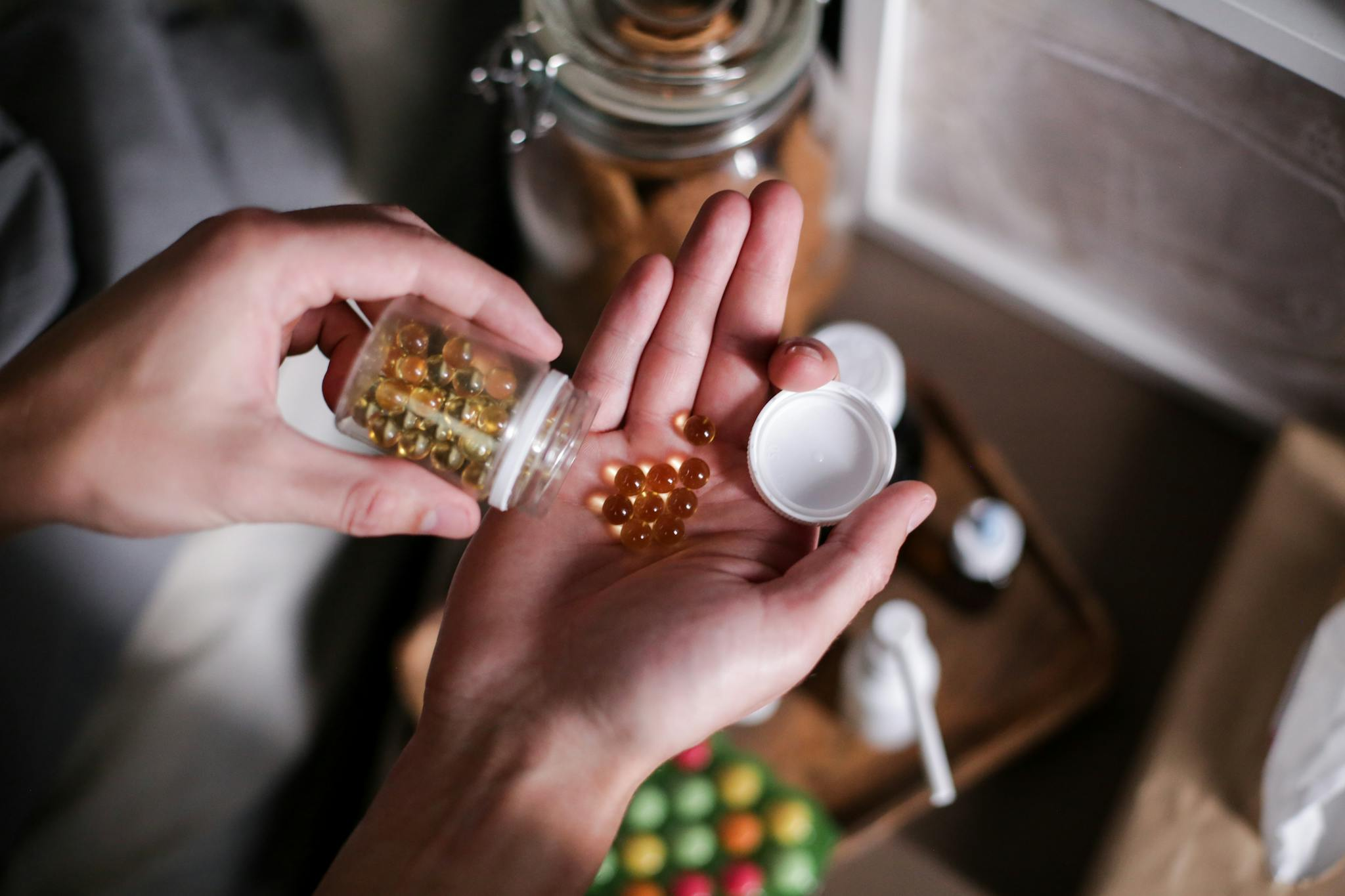
The Hidden Truth About Common Digestive Issues: Why Your Bloating, Acid Reflux, and IBS Symptoms Are Actually Warning Signs Your Body Can’t Ignore
The Hidden Truth About Common Digestive Issues: Why Your Bloating, Acid Reflux, and IBS Symptoms Are Actually Warning Signs Your Body Can’t Ignore
**Disclosure:** This post contains affiliate links. If you purchase through these links, I may earn a small commission at no extra cost to you. I only recommend products I personally use or believe will benefit my readers. Thank you for supporting Vital Cell Healing!
Are you tired of dismissing persistent digestive symptoms as “normal” when your body is desperately trying to tell you something important? As a nurse practitioner, I’ve seen patients whose lives transformed once they understood what their digestive symptoms really meant.
🚨 Quick Reality Check: If you experience bloating more than twice a week, acid reflux that doesn’t respond to antacids, or unpredictable bowel movements, your gut is sending distress signals that conventional medicine often misses.
Why Most People Suffer Unnecessarily (And How You Can Break the Cycle)
Here’s what conventional medicine won’t tell you: Common digestive issues aren’t actually common at all. They’re alarm bells indicating deeper imbalances that, when addressed properly, can resolve completely.
After working with patients struggling with digestive dysfunction, I’ve discovered that most people are treating symptoms instead of addressing the root causes. Today, I’m sharing the evidence-based approach that’s helped patients reclaim their digestive health and energy.
💡 What You’ll Discover:
1. The real reasons behind chronic bloating (hint: it’s not just food)
2. Why acid reflux medications make the problem worse long-term
3. The IBS connection to autoimmune conditions most doctors miss
4. A proven 3-step protocol for lasting digestive relief
5. Specific foods and supplements that target root causes
The Bloating Mystery: When Your Stomach Becomes Your Enemy
Chronic bloating affects 74% of Americans, yet most healthcare providers dismiss it as “just gas” or suggest eliminating random foods. This approach fails because bloating isn’t primarily about food—it’s about digestive function.
Real-Life Example: Drew, a 42-year-old broker, came to me after two years of severe bloating. Three providers had told him it was “stress-related.” Within 6 weeks of addressing his small intestinal bacterial overgrowth (SIBO) and supporting his digestive enzymes, his bloating and pain disappeared completely.
The Three Hidden Causes of Chronic Bloating
1. Compromised Digestive Fire
Your stomach acid and digestive enzymes are your first line of defense. When these are insufficient (often from chronic stress, medications, or age), food sits undigested, fermenting and creating gas.
Clinical Signs:
Feeling full after small meals
Burping shortly after eating
Bloating that worsens throughout the day
2. Small Intestinal Bacterial Overgrowth (SIBO)
When bacteria migrate from your large intestine to your small intestine, they ferment carbohydrates, producing hydrogen and methane gas that causes immediate bloating.
Red Flags:
Bloating within 20 minutes of eating
Relief when fasting
Worsening with healthy foods like vegetables
3. Intestinal Permeability (Leaky Gut)
When your intestinal barrier becomes compromised, your immune system goes into overdrive, creating inflammation that manifests as bloating, pain, and digestive dysfunction.
Warning Signs:
Bloating combined with fatigue
Multiple food sensitivities
Autoimmune conditions
My Evidence-Based Bloating Protocol
Phase 1: Restore Digestive Function (Weeks 1-2)
Digestive enzymes with each meal (protease, lipase, amylase)
**Top 3 Digestive Enzymes:**
1. Designs For Health-Digestzymes(my personal choice)
2. Enzymedica Digest Spectrum (popular option)
3. NOW-Super Enzymes (budget-friendly)
Betaine HCl to restore stomach acid (if appropriate)
**Top 3 Betaine HCl supplements:**
1. Designs For Health-Betaine HCl (my personal choice)
2. Enzymedica Digest Spectrum (popular option)
3. NOW-Betaine HCl (budget-friendly)
Mindful eating practices to activate parasympathetic digestion
Phase 2: Address Bacterial Imbalances (Weeks 3-6)
Targeted antimicrobials for SIBO (berberine, oregano oil)
**Top 3 berberine supplements:**
1. Designs For Health-Berberine Synergy (my personal choice)
2. Pure Encapsulations-Berberine UltraSorb(popular option)
3. NOW-Berberine Glucose Support (budget-friendly)
**Top 3 Oregano Oil supplements:**
1. Designs For Health-Oil of Oregano (my personal choice)
2. Microingredients-Oil of Oregano (popular option)
3. Carlyle-Oil of Oregano (budget-friendly)
🧬 Supplement Spotlight: Postbiotic-Supporting Compounds
Berberine
Supports microbial balance and metabolic signaling in the gut. Berberine may help reduce harmful bacterial overgrowth while encouraging a gut environment that supports beneficial postbiotic production.
Oregano Oil
Contains bioactive compounds that may help regulate gut microbes and inflammatory signaling. When used strategically, oregano oil can support healthier postbiotic communication rather than indiscriminate bacterial disruption. Best used short-term and with guidance, especially for those with sensitive digestion.
Low-FODMAP approach to starve overgrown bacteria
Prokinetic agents to restore proper gut motility (ginger, peppermint oil, artichoke extract). Prokinetic agents are substances that help your gut keep things moving. When those movements slow down, food can sit too long, leading to bloating, constipation, reflux, or bacterial overgrowth. Prokinetic agents help stimulate these natural movements, especially between meals and overnight.
Buy prokinetic supplements here:
Nutricost-Ginger Root Extract (budget-friendly)
Nutricost-Peppermint Oil (budget-friendly)
Nutricost-Artichoke Extract (budget-friendly)
Phase 3: Heal and Seal (Weeks 7-12)
Nutricost-L-Glutamine for intestinal barrier repair
Designs For Health- GastroMend HP for mucosal healing
Postbiotic compounds such as Synbiotic-Postbiotic to support beneficial bacteria
Take my FREE 5-minute Gut Health Quiz to discover what’s really going on with your digestion.
Gut Health Assessment Quiz
Access Your Free Gut Health Quiz Today!
Acid Reflux: The Shocking Truth About Your “Excess Acid”
The Conventional Medicine Myth
Here’s a truth that might shock you:
Most acid reflux is caused by too little stomach acid, not too much. Yet most providers prescribe acid-blocking medications that often make the underlying problem worse.
The Real Science: Studies show that 90% of people with GERD actually have hypochlorhydria (low stomach acid). When you don’t produce enough acid, food doesn’t digest properly, causing pressure that forces stomach contents upward.
The Proton Pump Inhibitor Problem
Long-term PPI use (Prilosec, Nexium, Prevacid) creates a cascade of problems:
Nutrient malabsorption (B12, magnesium, iron)
Increased infection risk (C. diff, pneumonia)
Bone fracture risk increases by 44%
Rebound acid hypersecretion when stopping
Patient Success Story: Grant, a 40-year-old police officer, had been on PPIs for 16 years. His reflux was worse than ever, plus he developed chronic fatigue and anxiety. We gradually restored his stomach acid while healing his esophageal lining. Six months later, he was PPI-free with zero reflux symptoms.
My Functional Approach to Acid Reflux
Step 1: Test, Don’t Guess
Betaine HCl challenge to assess acid levels (this can be done at home)
H. Pylori testing (can be done by your PCP)
SIBO breath testing (often underlying cause and can be done by your PCP)
Food sensitivity testing to identify triggers (can be done by your PCP)
Step 2: Restore Optimal pH
Pure Encapsulations-Betaine HCl Pepsin with pepsin to restore stomach acid
Apple Cider Vinegar before meals to prime digestion
Bitter herbs (gentian, dandelion) to stimulate natural acid production
Step 3: Heal the Tissue
DGL (Licorice) for esophageal healing
Zinc carnosine (Designs For Health- GastroMend HP) for stomach lining repair
Aloe vera juice for anti-inflammatory support
Step 4: Address Root Causes
Stress management (vagus nerve stimulation)
H. pylori treatment if present. H. Pylori is a bacteria that can cause a variety of GI symptoms and issues and must be treated with antibiotics. Ask your PCP for more details if you’re experiencing symptoms of H. Pylori.
Hiatal hernia correction through specific exercises. Ask your PCP for concerns of hiatal hernia.
IBS: Beyond the “Diagnosis of Exclusion”
Why IBS Is Actually a Symptom, Not a Disease
Irritable Bowel Syndrome affects 45 million Americans, making it the most common GI diagnosis. Yet IBS isn’t actually a disease—it’s a collection of symptoms pointing to underlying dysfunction.
The problem? Most doctors stop investigating once they rule out serious pathology, leaving patients with a lifetime of symptom management instead of healing.
The Four Root Causes of IBS Symptoms
1. Dysbiosis (Bacterial Imbalance)
Small intestinal bacterial overgrowth (SIBO)
Large intestine dysbiosis with pathogenic bacteria
Candida overgrowth creating inflammation
2. Food Sensitivities and Intolerances
Histamine intolerance causing immediate reactions
FODMAP malabsorption triggering gas and bloating
Delayed food sensitivities creating chronic inflammation
3. Chronic Stress and Nervous System Dysfunction
Gut-brain axis disruption affecting motility
Vagus nerve dysfunction impairing digestion
Chronic sympathetic dominance reducing digestive capacity
4. Intestinal Permeability and Immune Activation
Leaky gut syndrome allowing toxins into bloodstream
Mast cell activation causing widespread inflammation
Autoimmune cross-reactivity triggering chronic symptoms
Phase 1: Symptom Stabilization (Weeks 1-4)
Elimination diet to identify triggers (keep a detailed diary of all food and drinks eaten daily and track eating one food at a time to single out individual foods causing symptoms)
Designs For Health-Digestzymes support for proper breakdown of food
Nervous system regulation through breathwork and meditation
Phase 2: Root Cause Treatment (Weeks 5-12)
Targeted antimicrobial therapy for infections (seek advice from PCP for this)
SIBO treatment protocols using natural or pharmaceutical approaches
Gut barrier restoration with specific nutrients
Phase 3: Microbiome Restoration (Weeks 13-24)
Precision probiotic therapy based on testing
Prebiotic foods to feed beneficial bacteria
Postbiotic supplementation for optimal gut environment
Phase 4: Long-Term Maintenance
Personalized nutrition based on genetic factors
Stress management practices for gut-brain health
Regular monitoring to prevent symptom recurrence
Download my FREE Postbiotic Guide and discover why postbiotics might be the missing piece in your gut health puzzle. ➡️Free Postbiotic Health Guide
Clinical Pearl: In my practice, I’ve observed that patients who address digestive health early often prevent autoimmune disease progression or achieve significant symptom reduction in existing conditions such as:
Hashimoto’s thyroiditis
Rheumatoid arthritis
Type 1 diabetes
Multiple sclerosis
Inflammatory bowel disease
The Molecular Mimicry Connection
When a leaky gut allows partially digested proteins into your bloodstream, your immune system creates antibodies. These antibodies can irritate your tissues through a process called molecular mimicry.
Example: Antibodies to gliadin (wheat protein) can irritate thyroid tissue, contributing to Hashimoto’s thyroiditis.
Feeling overwhelmed by all the gut health advice out there?
I get it! That’s why I created this FREE Quick Start Guide – your simple, step-by-step roadmap to better digestive health.
No confusion. No overwhelm. Just the essentials you need to start healing.
FREE Gut Health Quick-Start Guide!
Red Flag Symptoms: When to Seek Immediate Help
While most digestive issues can be addressed through functional medicine approaches, certain symptoms require immediate medical attention:
🚨 Emergency Warning Signs:
Severe abdominal pain with fever
Blood in stool (bright red or black, tarry stools)
Unintentional weight loss over 10 pounds
Persistent vomiting preventing fluid intake
Signs of dehydration (dizziness, dry mouth, decreased urination)
Sudden change in bowel habits in people over 50
⚠️ Concerning Patterns:
Progressive worsening of symptoms despite treatment
New symptoms after age 45 without clear triggers
Family history of colorectal cancer or inflammatory bowel disease
Symptoms affecting quality of life significantly
Nutritional Strategies That Heal
Anti-Inflammatory Foods for Digestive Health
Omega-3 Rich Options:
Wild-caught fatty fish (salmon, sardines, mackerel)
Algae-based supplements for vegetarians
Flax and chia seeds (freshly ground)
Polyphenol Powerhouses:
Berries (blueberries, blackberries, raspberries)
Green tea for catechins
Dark chocolate (85% cacao or higher)
Gut-Healing Nutrients:
Bone broth for collagen and glutamine
Fermented vegetables for beneficial bacteria
Coconut oil for medium-chain fatty acids
Foods to Avoid During Healing
Pro-Inflammatory Options:
Processed foods with additives and preservatives
Refined sugars that feed pathogenic bacteria
Trans fats that increase inflammation
Common Gut Irritants:
Gluten-containing grains (wheat, barley, rye)
Conventional dairy products
High-FODMAP foods during SIBO treatment
Lifestyle Factors That Make or Break Your Progress
Stress Management: The Missing Piece
The Gut-Brain Connection: Chronic stress directly impacts digestive function through:
Reduced stomach acid production
Altered gut motility (too fast or too slow)
Increased intestinal permeability
Disrupted microbiome balance
Evidence-Based Stress Reduction:
Vagus nerve stimulation: Cold exposure, deep breathing
Meditation practice: 10-20 minutes daily
Yoga: Especially poses that massage internal organs
Regular sleep schedule: 7-9 hours nightly
Movement for Digestive Health
Optimal Exercise Types:
Walking: 20-30 minutes after meals improves motility
Swimming: Low-impact, stress-reducing
Strength training: Moderate intensity, avoid overtraining
Timing Considerations:
Light movement after meals aids digestion (walking or stretching)
Intense exercise should be done on empty stomach
Consistency matters more than intensity (15-30 minutes daily)
When to Work with a Functional Medicine Practitioner
Signs You Need Professional Support:
Complex Symptom Patterns:
Multiple digestive symptoms simultaneously
Symptoms affecting other body systems
Failed attempts at self-treatment
Worsening symptoms despite dietary changes
Testing and Monitoring Needs:
Comprehensive stool analysis interpretation
SIBO breath test administration and results
Supplement protocol customization
Progress monitoring and protocol adjustments
Concurrent Health Conditions:
Autoimmune diseases
Hormonal imbalances
Mental health concerns
Chronic fatigue or fibromyalgia
Resources for Your Healing Journey
Free Resources to Get Started
🌿 Take the FREE Gut Health Assessment Quiz!
Not sure where to start on your gut-healing journey? Discover what your digestive symptoms might really be telling you!
Take my Free Gut Health Assessment Quiz to learn your personalized gut type and get practical, science-backed tips to restore balance from the inside out.
Educational Blog Posts
Deepen your understanding with these related articles:
Foundation Reading:
Connect and Follow
📌 Pinterest: @VitalCellHealingNP Follow for daily gut health tips, anti-inflammatory recipes, and evidence-based wellness strategies. New pins added daily with actionable advice you can implement immediately.
📧 Weekly Newsletter: Join health-conscious individuals receiving my weekly insights on functional medicine, gut health breakthroughs, and practical wellness strategies.
Take Action Today: Your Digestive Transformation Starts Now
Your digestive symptoms aren’t something you have to “live with.” They’re your body’s way of communicating that something needs attention, and with the right approach, healing is absolutely possible.
Your Next Steps:
Download the FREE Gut Health Assessment Quiz to identify your specific patterns
Start the 30-Day Protocol outlined above
Track your symptoms to monitor progress
Join our community on Pinterest for ongoing support and tips
Remember: Sustainable healing takes time, but every small step moves you closer to the vibrant health you deserve. Your digestive system is incredibly resilient and wants to heal—it just needs the right support.
Ready to reclaim your digestive health? Your journey to feeling amazing starts with a single decision to prioritize your wellbeing. You’ve got this, and I’m here to guide you every step of the way.
About the Author: As a board-certified Nurse Practitioner with experience in functional medicine, I’ve helped many patients overcome chronic digestive issues and other chronic conditions through root-cause approaches. My evidence-based protocols combine the latest research in gut health with clinical strategies for lasting results.
Disclaimer: This information is for educational purposes only and is not intended to diagnose, treat, cure, or prevent any disease. Always consult with a qualified healthcare provider before making significant changes to your health regimen or if you have serious symptoms.
**References**
– Salminen, S., et al. (2021). The ISAPP consensus statement on postbiotics: definition and scope. *Nature Reviews Gastroenterology & Hepatology*.
– Ma, L., et al. (2023). Postbiotics in Human Health: A Narrative Review.
– Scott, E., et al. (2022). Postbiotics and Their Health Modulatory Biomolecules.
– Vinderola, G., et al. (2022). Postbiotics: The concept and their use in healthy populations.
– Al-Habsi, N., et al. (2024). Health Benefits of Prebiotics, Probiotics, Synbiotics, and Postbiotics. *Nutrients, 16*(22):3955.
– Mosca, A., et al. (2022). The clinical evidence for postbiotics as microbial therapeutics.
– Asefa, Z., et al. (2025). Postbiotics and their biotherapeutic potential for chronic disease management.
– Harvard Health Publishing. (2021). What are postbiotics? Harvard Women’s Health Watch.