The 25 Best Gut Healing Foods (According to a Family Nurse PractitionerWho Healed Her Own Gut)
By Dailinn, FNP-C | Board-Certified Family Nurse Practitioner
Medical Disclaimer: This content is for educational purposes only and should not replace professional medical advice, diagnosis, or treatment. As a board-certified Family Nurse Practitioner, I provide evidence-based information to help you make informed health decisions, but this does not constitute a patient-provider relationship.
Affiliate Disclosure: This post contains affiliate links. If you purchase through these links, I may earn a small commission at no extra cost to you. I only recommend products I personally use, have used while traveling, or believe will genuinely benefit travelers. Thank you for supporting Vital Cell Healing!
I used to think I was eating healthy.
Grilled chicken salads. Protein shakes. “Clean” foods from the grocery store. Yet despite doing everything “right,” I was suffering from debilitating digestive issues that eventually led to emergency gallbladder surgery.
After my cholecystectomy, things got even worse. The bloating was so severe I looked pregnant. I experienced urgent diarrhea after every meal. My skin broke out in mysterious rashes. And the fatigue—I could barely make it through a workday without needing to lie down.
As a Family Nurse Practitioner, I was frustrated and confused. How could my body be falling apart when I was supposedly eating so well?
That’s when I discovered the truth: Not all “healthy” foods are actually healing for your gut. In fact, many foods marketed as nutritious were actively damaging my digestive system and preventing recovery.
Through extensive research, clinical training, and a lot of trial and error on my own healing journey, I identified the specific foods that truly heal the gut—and they’re not what most people think.
In this comprehensive guide, I’m sharing the 25 most powerful gut healing foods that transformed my health and that I now use with my patients every day. Whether you’re recovering from surgery, struggling with SIBO, dealing with chronic bloating, or just want to optimize your digestive health, this guide will show you exactly what to eat (and what to avoid).
Table of Contents
- What Makes a Food “Gut Healing”?
- My Personal Gut Healing Journey (The Foods That Saved Me)
- The 25 Best Gut Healing Foods
- Foods That Damage Your Gut (Avoid These)
- 7-Day Gut Healing Meal Plan
- Best Supplements to Enhance Gut Healing Foods
- How to Start Your Gut Healing Food Journey
- 5 Easy Gut Healing Recipes
- Frequently Asked Questions
What Makes a Food “Gut Healing”?
Before we dive into the specific foods, let’s understand what actually qualifies as “gut healing.” Not every food labeled “healthy” will heal your digestive system—in fact, some popular health foods can make gut problems worse.
True gut healing foods must accomplish one or more of these critical functions:
1. Reduce Inflammation
Chronic gut inflammation is at the root of most digestive disorders—from IBS and SIBO to leaky gut and inflammatory bowel disease. Gut healing foods contain anti-inflammatory compounds like omega-3 fatty acids, polyphenols, and antioxidants that calm inflamed intestinal tissue.
2. Support the Gut Lining
Your gut lining is only one cell layer thick—it’s your body’s primary barrier against toxins, pathogens, and undigested food particles. Foods rich in collagen, gelatin, L-glutamine, and zinc help repair and strengthen this delicate barrier, preventing leaky gut syndrome.
3. Feed Beneficial Bacteria
Your gut microbiome contains trillions of bacteria that influence everything from digestion to immunity to mental health. Gut healing foods include prebiotics (fiber that feeds good bacteria) and probiotics (live beneficial bacteria) that restore healthy microbial balance.
4. Are Easy to Digest
When your gut is damaged or compromised, it can’t handle complex, hard-to-digest foods. True gut healing foods are gentle on your digestive system, requiring minimal enzymatic breakdown and reducing stress on your gut.
5. Provide Essential Nutrients for Repair
Gut healing requires specific nutrients: vitamins A, C, D, and E; minerals like zinc and selenium; amino acids like L-glutamine and glycine; and essential fatty acids. Healing foods are nutrient-dense powerhouses that provide these building blocks.
The Gut Healing vs. “Healthy” Food Paradox
Here’s something that shocked me during my recovery: Raw kale salads, while nutritious, were destroying my gut. Raw cruciferous vegetables are incredibly difficult to digest when your gut is compromised. They contain cellulose (which humans can’t break down) and goitrogens that can irritate an inflamed digestive system.
The lesson? Context matters. A food can be “healthy” in general but harmful for gut healing. That’s why this guide focuses specifically on foods that heal—not just foods that are nutritious.
My Personal Gut Healing Journey: The Foods That Saved Me
Let me take you back to the lowest point of my health crisis.
It was three months post-gallbladder surgery. I had lost 15 pounds I couldn’t afford to lose. My skin was grey and dull. I was experiencing 8-10 episodes of diarrhea daily. The brain fog was so severe I questioned whether I could continue working.
My conventional doctors offered no solutions beyond “give it time” and prescriptions for anti-diarrheal medications that barely helped. I knew there had to be a better way.
The Turning Point: Discovering Gut Healing Foods
Through my own personal research, I learned that without a gallbladder, my ability to digest fats was severely compromised. But I also discovered that certain foods could support bile production, reduce inflammation, and help my gut rebuild itself. Learn more about how digestive enzymes transformed my recovery.
I completely overhauled my diet, focusing on:
- Bone broth – became the foundation of my healing (more on this below)
- Cooked vegetables – instead of raw salads that my gut couldn’t handle
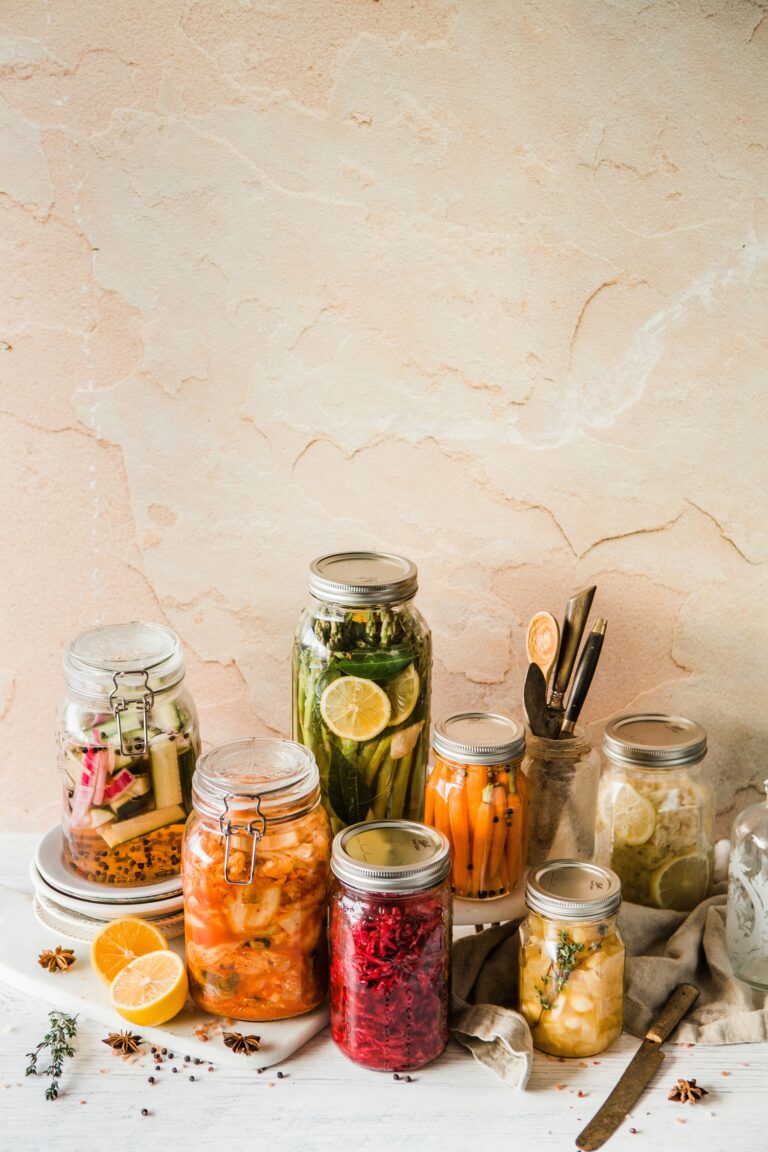
- Fermented foods – to rebuild my decimated microbiome
- Wild-caught fish – for anti-inflammatory omega-3s
- Strategic healthy fats – in smaller, more frequent servings my compromised bile production could manage
Within two weeks, my diarrhea episodes dropped from 8-10 per day to 2-3. Within one month, my bloating reduced by 70%. Within three months, I felt like myself again—energized, clear-headed, and finally able to digest food without immediate consequences.
The Bone Broth Breakthrough
Of all the gut healing foods I tried, bone broth had the most dramatic impact. I started drinking 8-16 ounces daily, and the results were undeniable:
- My digestive discomfort decreased significantly within days
- My skin started glowing (collagen from the broth)
- Joint pain I’d been experiencing vanished
- My bowel movements normalized for the first time in months
The gelatin and amino acids in bone broth literally sealed my leaky gut and gave my intestinal lining the building blocks it needed to repair. This became—and remains—a non-negotiable part of my daily routine.
What I Learned About Gut Healing
My personal experience taught me several critical lessons that now inform how I work with patients:
- Food is medicine – but only if you’re eating the RIGHT foods for YOUR specific condition
- Healing takes time – expect 3-6 months of committed dietary changes for significant gut repair
- What works changes – foods that were too difficult early in healing became tolerable later
- Quality matters enormously – conventional chicken broth did nothing; grass-fed bone broth was transformative
- Consistency is everything – occasional gut healing foods won’t work; they need to be the foundation of your diet
Now, let’s dive into the specific foods that can transform your gut health the way they transformed mine.
The 25 Best Gut Healing Foods
Based on scientific research, clinical experience, and personal testing, these are the most powerful gut healing foods you can incorporate into your diet:
Category 1: Collagen & Gelatin-Rich Foods
1. Bone Broth
Why it heals: Rich in collagen, gelatin, glycine, proline, and glutamine—all essential for repairing gut lining. The gelatin literally “seals” leaky gut.
How to use: Drink 8-16 oz daily, use as base for soups, or sip warm between meals.
Pro tip: Homemade is best, but if buying, choose organic, grass-fed bone broth with minimal ingredients. Look for brands that gel when refrigerated (sign of high collagen content).
🌟 My Top Bone Broth Recommendation
For convenience: I recommend high-quality, ready-made bone broth when you can’t make your own. If you would like to save money and make your own, here is an excellent book with great recipes:
The Bone Broth Miracle Diet Book
Here is an affordable option:
Pacific Organic Chicken Bone Broth
A slightly more expensive option; however they have lots of different flavors to choose from:
Kettle & Fire Chicken Bone Broth
Zoup! Chicken Bone Broth:
Why I recommend it: This brand uses is gluten-free, contains a great amount of collagen, and contains no additives. I keep this stocked for busy weeks when I can’t make my own.
If you prefer a powder form of bone broth, here is an excellent option that is gluten-free, GMO free, soy free, and dairy free:
Designs for Health- Bone Broth Protein
(Pro Tip: I add my collagen powder into my bone broth for additional support and added protein). Can be purchased below.
Disclosure: As an Amazon Associate, I earn from qualifying purchases at no extra cost to you.
2. Wild-Caught Fish (especially salmon, sardines, mackerel)
Why it heals: Loaded with anti-inflammatory omega-3 fatty acids (EPA and DHA) that reduce gut inflammation. Also provides easily digestible protein.
How to use: 3-4 servings weekly. Bake, grill, or poach gently. Avoid deep-frying.
Best choices: Wild Alaskan salmon, sardines, mackerel, anchovies (lower mercury, higher omega-3s)
3. Collagen Peptides/Powder
Why it heals: Concentrated source of gut-repairing amino acids (especially glycine and proline) that support intestinal lining integrity.
How to use: 1-2 scoops daily in coffee, smoothies, or baked goods. Unflavored dissolves easily.
Designs for Health- Whole Body Collagen: Collagen peptides
Why I recommend it: High-quality collagen powder that’s been hydrolyzed for maximum absorption. I add this to my morning coffee daily—it’s tasteless and provides an additional 11g of gut-healing protein. Patients with severe gut damage who can’t tolerate bone broth often do better with collagen powder as a starting point, but this can also be added to your protein powder or bone broth for added protein.
Category 2: Probiotic-Rich Fermented Foods
4. Sauerkraut (raw, unpasteurized)
Why it heals: Contains billions of beneficial bacteria (especially Lactobacillus species) plus digestive enzymes created during fermentation. Supports microbiome diversity.
How to use: Start with 1-2 tablespoons daily with meals. Gradually increase to 1/4-1/2 cup.
Important: Must be raw/unpasteurized (refrigerated section). Shelf-stable versions have no live probiotics.
5. Kimchi
Why it heals: Similar to sauerkraut but with added anti-inflammatory benefits from garlic, ginger, and Korean red pepper.
How to use: 2-4 tablespoons daily. Great as a side dish or mixed into rice bowls.
Caution: Can be spicy—may irritate very sensitive guts initially. Start small.
6. Kefir (dairy or coconut)
Why it heals: Contains 30-40 different probiotic strains (vs. 5-10 in yogurt). Easier to digest than milk due to fermentation breaking down lactose.
How to use: 4-8 oz daily. Use plain, unsweetened versions. If dairy-sensitive, try coconut kefir.
7. Yogurt (full-fat, grass-fed, plain)
Why it heals: Provides probiotics (Lactobacillus and Bifidobacterium strains) plus easily digestible protein and fat.
How to use: Choose full-fat, plain, grass-fed yogurt with “live and active cultures.” Avoid flavored versions with added sugar.
Best for: Those who tolerate dairy. If lactose intolerant, try 24-hour fermented yogurt (lactose is consumed during extended fermentation).
8. Miso Paste
Why it heals: Fermented soybean paste rich in probiotics, enzymes, and B vitamins. Supports digestion and microbial balance.
How to use: 1-2 tablespoons in soups (add after cooking to preserve probiotics). Choose organic, traditionally fermented miso.
9. Kombucha
Why it heals: Fermented tea containing probiotics, organic acids, and antioxidants. Supports liver detoxification and gut health.
How to use: 4-8 oz daily. Choose low-sugar versions (under 5g sugar per serving).
Caution: High FODMAP content can trigger symptoms in SIBO patients. If you have SIBO, introduce cautiously or avoid initially.
Category 3: Prebiotic Fiber Foods (Feed Good Bacteria)
10. Cooked and Cooled Potatoes/Sweet Potatoes
Why it heals: When cooked and cooled, starches become “resistant starch”—a powerful prebiotic that feeds beneficial gut bacteria without spiking blood sugar.
How to use: Cook potatoes, refrigerate overnight, eat cold in salads or gently reheated.
11. Green Bananas/Plantains
Why it heals: High in resistant starch and pectin, both of which support beneficial bacteria and soothe the gut lining.
How to use: Blend into smoothies or cook green plantains. As bananas ripen, resistant starch converts to regular sugar—greener is better for gut healing.
12. Cooked and Cooled Rice
Why it heals: Another source of resistant starch. White rice is easier to digest than brown rice for compromised guts.
How to use: Cook rice, cool in fridge, use in salads or reheat gently.
13. Jerusalem Artichokes (Sunchokes)
Why it heals: Extremely high in inulin, a prebiotic fiber that dramatically boosts beneficial bacteria.
How to use: Roast or sauté. START SMALL—1-2 tablespoons initially. Can cause significant gas if introduced too quickly.
Caution: High FODMAP. Avoid if you have active SIBO.
14. Asparagus (cooked)
Why it heals: Contains inulin and anti-inflammatory compounds. Supports detoxification pathways.
How to use: Steam, roast, or sauté. Cooked is far more digestible than raw.
15. Garlic (cooked)
Why it heals: Prebiotic fiber (inulin) plus antimicrobial compounds that help rebalance gut flora.
How to use: Cooked garlic is gentler than raw. Add to soups, stir-fries, roasted vegetables.
Caution: High FODMAP. If SIBO-sensitive, use garlic-infused oil (strain out garlic pieces) instead.
Category 4: Anti-Inflammatory Vegetables (Cooked)
16. Cooked Leafy Greens (spinach, chard, kale)
Why it heals: Rich in vitamins A, C, K, and minerals. Cooking breaks down cellulose, making nutrients bioavailable and easier to digest.
How to use: Steam, sauté, or add to soups. Avoid raw if gut is compromised.
17. Zucchini and Summer Squash
Why it heals: Very gentle on digestion, low FODMAP, rich in anti-inflammatory compounds and electrolytes.
How to use: Sauté, roast, spiralize into “noodles,” or add to soups.
18. Carrots (cooked)
Why it heals: High in beta-carotene (converts to vitamin A for gut lining repair), soluble fiber that soothes intestines.
How to use: Steam, roast, or make carrot soup. Cooked carrots are easier to digest than raw.
19. Beets
Why it heals: Support liver detoxification (critical for gut health), anti-inflammatory betalains, prebiotic fiber.
How to use: Roast, steam, or juice (in moderation—high in natural sugars).
Category 5: Healing Fats
20. Extra Virgin Olive Oil
Why it heals: Polyphenols and oleic acid reduce gut inflammation. Supports beneficial bacteria growth.
How to use: Drizzle on cooked foods, use for low-heat cooking. Buy high-quality, cold-pressed in dark glass bottles.
Important: Don’t heat to smoking point—damages beneficial compounds.
21. Coconut Oil
Why it heals: Medium-chain triglycerides (MCTs) are easier to digest without bile (critical for those without gallbladders). Lauric acid has antimicrobial properties.
How to use: Cook with it, add to coffee, use in baking. Start with 1 tsp if new to MCTs (can cause temporary digestive upset).
22. Avocado
Why it heals: Rich in anti-inflammatory monounsaturated fats, fiber, and potassium. Supports gut lining integrity.
How to use: 1/4-1/2 avocado daily. If you’ve lost your gallbladder, pair with digestive enzymes containing ox bile to ensure proper fat digestion.
Category 6: Gentle Proteins
23. Eggs (pasture-raised)
Why it heals: Complete protein with all essential amino acids. Easy to digest when soft-cooked. Rich in choline and nutrients for gut repair.
How to use: Soft-boiled, poached, or scrambled. Avoid hard-boiled (harder to digest). Pasture-raised eggs have better omega-3 ratios.
24. Slow-Cooked Chicken (especially thighs)
Why it heals: Easily digestible protein. Chicken thighs contain more collagen and connective tissue than breasts (better for gut healing).
How to use: Slow-cook, poach, or simmer. Avoid grilled/charred (creates inflammatory compounds).
Category 7: Healing Herbs & Spices
25. Ginger
Why it heals: Powerful anti-inflammatory, reduces nausea, stimulates digestive enzyme production, antimicrobial against harmful bacteria.
How to use: Fresh ginger tea, grated into stir-fries, pickled ginger with meals. 1-2 inches fresh ginger daily.
Bonus mention: Turmeric (curcumin) – Potent anti-inflammatory. Use with black pepper to increase absorption by 2000%.
Important Note on Food Quality
I can’t stress this enough: quality matters enormously for gut healing foods. During my recovery, I tested conventional vs. organic bone broth, grass-fed vs. grain-fed meat, and wild vs. farmed fish. The difference in my symptoms was dramatic.
When possible, prioritize:
- Organic produce (especially for the “Dirty Dozen”)
- Grass-fed, pasture-raised animal products
- Wild-caught fish
- Traditionally fermented foods (not vinegar-based imitations)
Yes, it costs more upfront. But it’s far less expensive than ongoing medical bills and lost productivity from chronic illness. This is healthcare, not just food.
Foods That Damage Your Gut (Avoid These During Healing)
Just as important as what you eat is what you DON’T eat. These foods actively damage your gut lining and must be eliminated during the healing process:
Gut-Damaging Foods to Eliminate:
1. Processed Seed Oils
Canola, soybean, corn, sunflower, safflower, cottonseed oils are highly inflammatory and oxidize easily. Found in nearly all processed foods and restaurant meals.
Why they’re harmful: Promote leaky gut, systemic inflammation, and dysbiosis. Learn more about why restaurant food makes you sick—it’s largely due to these inflammatory oils.
2. Refined Sugar and Artificial Sweeteners
Table sugar, high fructose corn syrup, aspartame, sucralose, saccharin.
Why they’re harmful: Feed pathogenic bacteria and yeast, damage gut lining, cause blood sugar spikes that stress your entire system.
3. Gluten (especially conventional wheat)
Bread, pasta, conventional baked goods, wheat-based products.
Why it’s harmful: Increases intestinal permeability in ALL people (not just celiacs), contains inflammatory proteins, often contaminated with glyphosate.
4. Conventional Dairy (if sensitive)
Especially conventional milk, cheese from grain-fed cows.
Why it’s harmful: Casein A1 protein is inflammatory for many. Lactose intolerance is common with compromised gut. Hormones and antibiotics in conventional dairy disrupt microbiome.
Exception: Fermented dairy (yogurt, kefir) and grass-fed dairy are often tolerated even by sensitive individuals.
5. Alcohol
All types, but especially beer and sugary cocktails.
Why it’s harmful: Directly damages gut lining, kills beneficial bacteria, feeds pathogenic bacteria, impairs liver function needed for gut healing.
6. Processed and Packaged Foods
Anything with ingredients you can’t pronounce or wouldn’t have in your kitchen.
Why they’re harmful: Contain emulsifiers, preservatives, artificial colors, and chemicals that damage gut microbiome and increase intestinal permeability.
7. Non-Organic Meat and Conventional Animal Products
Grain-fed beef, conventional chicken, farmed fish.
Why they’re harmful: Contain antibiotics that destroy your microbiome, hormones that disrupt your system, inflammatory omega-6 fats from grain feeding.
8. Raw Cruciferous Vegetables (During Active Healing)
Raw broccoli, cauliflower, Brussels sprouts, kale in large amounts.
Why they’re harmful: Very difficult to digest, contain goitrogens, can irritate compromised gut lining. Cooked cruciferous vegetables are fine and beneficial.
The 80/20 Rule Doesn’t Apply to Gut Healing
I know the popular advice is “eat healthy 80% of the time.” But when you’re actively healing your gut, you need to be closer to 95-100% compliant for 3-6 months. One inflammatory meal can set back your healing by days or weeks.
I learned this the hard way. After six weeks of perfect adherence, I had “just one” restaurant meal with friends. The bloating, diarrhea, and fatigue returned with a vengeance for four days. That’s when I realized: my gut needed unwavering support to heal, not occasional support.
Once healed, you can reintroduce foods more liberally. But during active healing, strict adherence is essential.
7-Day Gut Healing Meal Plan
Here’s a sample week of gut healing meals based on the 25 foods above. This is similar to what I ate during my most intensive healing phase:
| Day | Breakfast | Lunch | Dinner | Snacks |
| Monday | Scrambled eggs with sautéed spinach + bone broth | Wild salmon over roasted zucchini and carrots | Slow-cooked chicken thighs with sweet potato and steamed asparagus | Plain plant-based yogurt with collagen powder, avocado with sea salt |
| Tuesday | Yogurt with collagen powder and cooked, cooled white rice | Bone broth soup with shredded chicken, carrots, and zucchini | Baked white fish with roasted beets and sautéed chard | Sauerkraut (2 tbsp), kefir, steamed carrots with olive oil |
| Wednesday | Soft-boiled eggs with steamed spinach + ginger tea | Leftover fish with cucumber and cooked asparagus | Chicken bone broth soup with sweet potato, carrots, kale | Green banana smoothie with collagen, kimchi (2 tbsp) |
| Thursday | Kefir smoothie with green banana and collagen powder | Ground turkey sautéed with zucchini, garlic, turmeric | Wild salmon with roasted sweet potato and steamed broccoli | Bone broth (8 oz), avocado, sauerkraut |
| Friday | Scrambled eggs with sautéed mushrooms and bone broth | Chicken salad (poached chicken, cooked carrots, olive oil, lemon) | Slow-cooked beef with roasted root vegetables (carrots, beets) | Plain yogurt, cucumber slices, miso soup |
| Saturday | Yogurt parfait with cooked, cooled rice and ginger | Bone broth ramen: broth + zucchini noodles + soft-boiled egg + kimchi | Baked cod with asparagus and sweet potato mash | Kefir, avocado with sea salt, sauerkraut |
| Sunday | Poached eggs over sautéed kale + bone broth | Leftover beef with steamed vegetables | Whole roasted chicken with roasted carrots, beets, and garlic | Kombucha (4 oz), collagen powder in tea, yogurt |
Meal Plan Guidelines:
- Bone broth: 8-16 oz daily, either drunk separately or as base for soups
- Fermented foods: 2-4 tbsp daily (sauerkraut, kimchi) or 4-8 oz kefir/yogurt
- Collagen: 1-2 scoops daily in beverages or food
- Vegetables: All cooked, never raw during initial healing phase
- Proteins: Varied sources, always high-quality, gently cooked
- Fats: Moderate amounts, focus on olive oil, coconut oil, avocado
- Hydration: Filtered water, herbal teas, bone broth throughout day
🌟 Meal Prep Tools That Made My Life Easier
Making bone broth weekly and meal prepping gut healing foods was time-consuming until I got the right tools:
Beautiful By Drew Barrymore- 6-Quart Multi-Cooker: Slow Cooker/Pressure Cooker/Rice Cooker
Why I recommend it: Making bone broth in an Instant Pot takes 2-3 hours vs. 12-24 hours on the stovetop. You can batch-cook chicken, make soups, and prepare bone broth effortlessly. Game-changer for busy weeks. My good friend let me borrow hers for a day and not only is it MORE gorgeous in person, but it does a phenomenal job and has sooo many functions!! A definite must-have in the kitchen!!
Glass Meal Prep Containers (8-Pack): Glass Storage Containers (Set of 8)
Why I recommend it: Meal prepping is essential for gut healing success. I cook 2-3 times per week and store portions in glass containers. Avoid plastic—it leaches hormone-disrupting chemicals into food. These glass containers are microwave and dishwasher safe.
Best Supplements to Enhance Gut Healing Foods
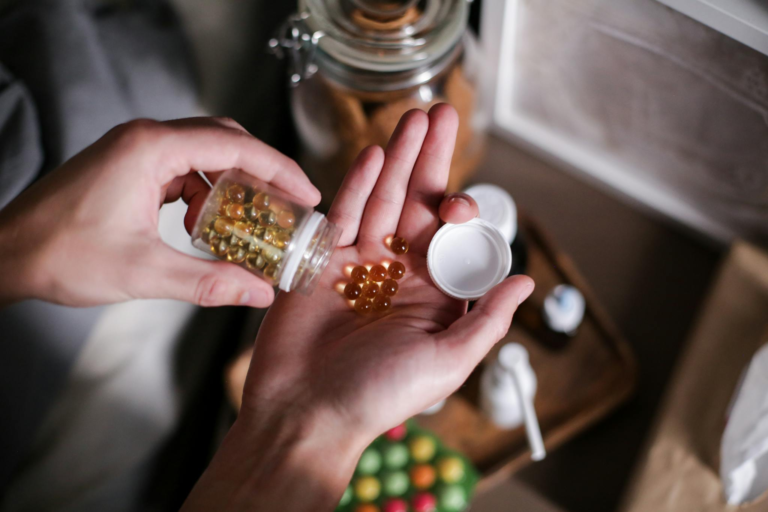
While food should be your foundation, certain supplements can accelerate gut healing—especially if you have severe damage or malabsorption issues like I did post-gallbladder removal.
Essential Gut Healing Supplements:
1. Digestive Enzymes (Critical for Most People)
Why you need them: Most people with gut issues have compromised enzyme production. Enzymes help you actually digest and absorb nutrients from gut healing foods.
Especially important if: You’ve lost your gallbladder, have chronic bloating, see undigested food in stool, or have pancreatic insufficiency.
Read my complete guide: Everything You Need to Know About Digestive Enzymes
Designs For Health-Digestzymes: Comprehensive Digestive Enzyme with Ox Bile
Why I recommend it: This is the enzyme formula I take with every meal. It contains broad-spectrum enzymes plus ox bile (essential for those without gallbladders). Helps break down proteins, fats, and carbs so you actually absorb the nutrients from gut healing foods. Without enzymes, even the best diet won’t work optimally.
2. L-Glutamine
Why you need it: Amino acid that’s the primary fuel for intestinal cells. Repairs gut lining, reduces intestinal permeability (leaky gut).
Dosage: 5-10g daily, mixed in water or smoothies. Take on empty stomach for best absorption.
Nutricost-L-Glutamine: Pure L-Glutamine
Why I recommend it: Pharmaceutical-grade L-glutamine with no fillers. This was one of my secret weapons for healing leaky gut. I took 5g twice daily for the first three months of my healing journey, then reduced to 5g once daily for maintenance. I had significanty reduced bloating and improved bowel regularity within 2-3 weeks.
3. High-Quality Probiotic
Why you need it: Even with fermented foods, a therapeutic probiotic provides billions of beneficial bacteria to rebuild your microbiome.
What to look for: Multi-strain formula (10+ strains), 25-100 billion CFUs, refrigerated or shelf-stable with proven viability.
Probiotics: Multi-Strain Probiotic (50 Billion CFU)
Why I recommend it: Contains strains of Lactobacillus and Bifidobacterium species, survives stomach acid, and includes prebiotic fiber to feed the bacteria. I rotate through different probiotic formulas every 2-3 months to maximize microbiome diversity, and this is one of my core recommendations.
**Top 3 probiotic supplements:**
1. Designs For Health- FloraMyces (saccharomyces boulardii probiotic) (my personal choice)
2. Designs For Health- Probiotic Synergy (Bifidobacterium longum) (popular option)
3. Vitamatic-Bacillus Coagulans (budget-friendly)
4. Omega-3 Fish Oil
Why you need it: Powerful anti-inflammatory that reduces gut inflammation and supports gut barrier function.
Dosage: 2-4g combined EPA/DHA daily. Choose molecularly distilled, third-party tested for purity.
Fish Oil: High-Potency Omega-3 Fish Oil
Why I recommend it: Molecularly distilled for purity, high EPA/DHA ratio (1,000mg+ per serving), and triglyceride form for better absorption. These brands are third-party tested for heavy metals and contaminants. Fish oil was crucial for reducing the inflammation that was preventing my gut from healing.
**Top 3 Fish Oil supplements:**
1. Designs for Health-OmegAvail TG1000 (my personal choice)
2. Pure Encapsulations-EPA/DHA Essentials (popular option)
3. Nutracost-Omega-3 (budget-friendly)
5. Zinc Carnosine
Designs For Health- GastroMend HP (zinc carnosine)
Why you need it: Specifically researched for gut lining repair. Helps heal ulcers, reduces intestinal permeability, supports mucosal integrity.
Dosage: 75-150mg daily, taken between meals.
6. Vitamin D3 + K2
Why you need it: Most people with gut issues are vitamin D deficient due to malabsorption. Vitamin D is essential for immune function, inflammation regulation, and gut barrier integrity.
Dosage: 5,000-10,000 IU daily (test levels and work with practitioner for optimal dosing). Take with K2 for proper calcium metabolism.
Designs for Health- Vitamin D Supreme: Vitamin D3 + K2 Supplement
Why I recommend it: Combined D3/K2 formula ensures vitamin D is properly utilized without causing calcium imbalances. My vitamin D was critically low (18 ng/mL) after my gallbladder surgery due to fat malabsorption. Supplementing brought it to optimal range (60-80 ng/mL) within three months, and I noticed significant improvements in energy and mood.
Supplement Protocol Timing:
- With meals: Digestive enzymes, omega-3s, vitamin D+K2
- Between meals/empty stomach: L-glutamine, zinc carnosine
- Morning or evening (consistent time): Probiotics
- Before bed: Collagen powder in herbal tea (supports overnight repair)
Supplement Disclosure: As an Amazon Associate, I earn from qualifying purchases. I only recommend supplements I personally use or have successfully used with patients in my functional medicine practice. Always consult with your healthcare provider before starting new supplements, especially if you’re on medications or have medical conditions.
How to Start Your Gut Healing Food Journey
I know this can feel overwhelming. When I started, I was intimidated by the idea of completely overhauling my diet while feeling so sick. Here’s exactly how to begin:
Phase 1: Remove (Week 1-2)
Goal: Eliminate gut-damaging foods
Action steps:
- Clean out your pantry—remove processed foods, seed oils, gluten, sugar
- Stop eating out for these two weeks (restaurants use inflammatory oils)
- Eliminate alcohol completely
- Remove dairy if you suspect sensitivity (keep fermented dairy if tolerated)
- Eat only cooked vegetables—no raw salads
Expect: You might feel worse before better (detox symptoms). This is temporary. Push through.
Phase 2: Replace (Week 3-4)
Goal: Add gut healing foods and supplements
Action steps:
- Start drinking bone broth daily (8-16 oz)
- Add 1-2 scoops collagen powder daily
- Begin digestive enzymes with every meal
- Introduce fermented foods—start small (1 tbsp sauerkraut, work up slowly)
- Focus on the 25 gut healing foods for all meals
- Start L-glutamine supplement
Expect: Gradual symptom improvement. Increased energy. Better bowel movements.
Phase 3: Repair (Month 2-3)
Goal: Consistent adherence and optimization
Action steps:
- Dial in your personal gut healing food protocol based on what makes you feel best
- Add remaining supplements (probiotic, omega-3s, zinc carnosine)
- Experiment with food reintroductions if symptoms have significantly improved
- Work with functional medicine practitioner to address underlying issues (SIBO, infections, etc.)
- Establish sustainable routine—meal prep, supplement organization
Expect: Significant improvement in symptoms. More consistent energy. Better digestion.
Phase 4: Rebalance (Month 4-6+)
Goal: Long-term gut health maintenance
Action steps:
- Continue gut healing foods as foundation of diet (80-90% of meals)
- Carefully reintroduce eliminated foods one at a time, monitoring symptoms
- Reduce supplement doses as symptoms allow (under practitioner guidance)
- Expand food variety while maintaining gut-supportive choices
- Occasional restaurant meals with smart choices and enzyme support
Expect: Gut resilience. Ability to handle occasional indulgences without major setbacks.
The Timeline Reality Check
I get asked constantly: “How long until I’m healed?”
The honest answer: It depends on your level of damage and commitment.
For me:
- 2 weeks: 30% improvement in symptoms
- 1 month: 60% improvement
- 3 months: 85% improvement
- 6 months: 95% back to normal, with continued optimization
Your timeline may be faster or slower. Factors that affect healing speed: severity of damage, underlying conditions (SIBO, infections), stress levels, sleep quality, medication use, and adherence to protocol.
Be patient. Trust the process. Your body WANTS to heal—you just need to give it the right tools.
5 Easy Gut Healing Recipes
1. Healing Chicken Bone Broth
Ingredients:
- 3-4 lbs chicken bones (backs, necks, feet if available) from pasture-raised chicken
- 2 tablespoons apple cider vinegar
- 1 onion, roughly chopped
- 3 carrots, roughly chopped
- 3 celery stalks
- Fresh herbs (parsley, thyme)
- Filtered water to cover
Instructions:
- Place bones in large pot or Instant Pot
- Add vegetables and apple cider vinegar (helps extract minerals)
- Cover with filtered water
- Stovetop: Simmer 12-24 hours | Instant Pot: Pressure cook 2-3 hours
- Strain, cool, store in fridge (should gel when cold)
- Use within 5 days or freeze in portions
2. Gut-Soothing Ginger Carrot Soup
Ingredients:
- 2 lbs carrots, chopped
- 3-inch piece fresh ginger, minced
- 4 cups bone broth
- 1 can full-fat coconut milk
- 2 tablespoons coconut oil
- Sea salt to taste
- Fresh cilantro for garnish
Instructions:
- Sauté ginger in coconut oil for 1-2 minutes
- Add carrots and bone broth, simmer until carrots are very soft (20-25 minutes)
- Blend until smooth
- Stir in coconut milk, heat through
- Season with sea salt, garnish with cilantro
Why it heals: Anti-inflammatory ginger + easily digestible carrots + gut-healing bone broth
3. Probiotic Power Bowl
Ingredients:
- 1 cup cooked, cooled white rice
- 4 oz wild-caught salmon, baked
- 1 cup sautéed zucchini
- 1/2 avocado, sliced
- 2 tablespoons sauerkraut
- Drizzle of olive oil and lemon
- Sprinkle of sea salt
Instructions:
- Arrange all ingredients in a bowl
- Drizzle with olive oil and fresh lemon juice
- Season with sea salt
- Add sauerkraut just before eating (don’t heat—preserves probiotics)
Why it heals: Resistant starch + omega-3s + probiotics + healthy fats
4. Collagen-Boosted Golden Milk
Ingredients:
- 1 cup full-fat coconut milk (or kefir if tolerated)
- 1 scoop collagen powder
- 1 teaspoon turmeric
- 1/2 teaspoon cinnamon
- Pinch black pepper (increases turmeric absorption)
- 1/2 teaspoon raw honey (optional)
- Pinch of sea salt
Instructions:
- Warm coconut milk gently (don’t boil)
- Whisk in collagen powder until dissolved
- Add turmeric, cinnamon, black pepper, salt
- Blend until frothy
- Add honey if desired
Why it heals: Anti-inflammatory turmeric + gut-repairing collagen + healthy fats. Perfect before bed.
5. Simple Healing Breakfast Bowl
Ingredients:
- 1/2 cup plain, full-fat yogurt (or coconut yogurt)
- 1 scoop collagen powder
- 1/4 cup cooked, cooled white rice
- 1 tablespoon ground flaxseed
- Sprinkle of cinnamon
- Small handful blueberries (if tolerated)
Instructions:
- Mix yogurt with collagen powder
- Top with cooled rice, flaxseed, cinnamon
- Add berries if your gut can handle them
Why it heals: Probiotics + collagen + resistant starch + omega-3s. Easy to digest, nutrient-dense breakfast.
Frequently Asked Questions About Gut Healing Foods
Q: How long does it take to heal my gut with food?
A: The intestinal lining regenerates approximately every 3-5 days, but complete gut healing takes 3-6 months of consistent effort for most people. Severe cases may take 9-12 months. Factors affecting timeline: severity of damage, underlying conditions, stress levels, sleep quality, and adherence to protocol.
Q: Can I heal my gut without supplements, using only food?
A: Possibly, but it will take significantly longer and be much harder. Food should be your foundation, but supplements like digestive enzymes, L-glutamine, and probiotics accelerate healing dramatically. If you have severe damage or malabsorption issues, supplements are often necessary to actually absorb nutrients from food.
Q: I have SIBO. Are these gut healing foods safe for me?
A: Most are, but you’ll need to be selective. Avoid or limit high-FODMAP gut healing foods initially: garlic, Jerusalem artichokes, asparagus, kombucha. Focus on bone broth, low-FODMAP cooked vegetables (carrots, zucchini), well-cooked proteins, and fermented foods in small amounts. Read my complete SIBO guide for specific protocols.
Q: I lost my gallbladder. Can I eat healthy fats like avocado and olive oil?
A: Yes, absolutely—in fact, you NEED healthy fats. But you must take digestive enzymes with ox bile to properly digest them. Start with smaller amounts (1-2 tablespoons) and increase gradually as your digestion improves. Read my complete guide to digestive enzymes for life without a gallbladder.
Q: Why do I feel worse when I eat raw vegetables but better with cooked?
A: Raw vegetables are extremely difficult to digest, especially when your gut is compromised. They contain cellulose (humans lack the enzyme to break it down) and require significant digestive capacity. Cooking breaks down cell walls and pre-digests vegetables, making nutrients bioavailable and reducing digestive stress. Stick with cooked vegetables during healing.
Q: Can I drink coffee while healing my gut?
A: Coffee is tricky. It can stimulate bile production (helpful) but also irritate the gut lining and increase stomach acid (potentially harmful). If you tolerate it well: limit to 1 cup daily, drink with food, add collagen powder and coconut oil to buffer acidity. If it causes symptoms, eliminate during intensive healing phase.
Q: Are eggs inflammatory? I’ve heard conflicting information.
A: Eggs are NOT inherently inflammatory—they’re an excellent source of easily digestible protein and nutrients. However, some people have true egg allergies or sensitivities. If you suspect sensitivity, do an elimination test: remove eggs for 3 weeks, then reintroduce and monitor symptoms. For most people, pasture-raised eggs are highly beneficial for gut healing.
Q: Should I avoid all grains while healing my gut?
A: Gluten-containing grains should be eliminated (wheat, barley, rye). But properly prepared gluten-free grains can be healing: white rice (especially cooked and cooled for resistant starch), quinoa (well-rinsed and cooked), and oats (certified gluten-free). Start with white rice—it’s the easiest to digest—and add others as tolerated.
Q: I’m vegan. Can I heal my gut without animal products?
A: It’s more challenging, but possible. Focus on: plant-based collagen-building foods (vitamin C-rich vegetables), coconut yogurt/kefir for probiotics, well-cooked legumes (if tolerated), tempeh, chia seeds, hemp seeds, and plenty of cooked vegetables. Consider vegan L-glutamine, omega-3 algae oil, and probiotic supplements. Work with a knowledgeable functional medicine practitioner to ensure adequate protein and nutrient intake.
Q: Why is bone broth better than regular broth or stock?
A: Bone broth is simmered for 12-48 hours (vs. 1-2 hours for regular broth), which extracts collagen, gelatin, minerals, and amino acids from bones and connective tissue. True bone broth should gel when refrigerated—that’s the collagen that heals your gut lining. Regular broth doesn’t have these therapeutic properties. Quality matters: grass-fed, pasture-raised bones make a huge difference.
Your Gut Healing Journey Starts Today
Six years ago, I was lying in a hospital bed, recovering from emergency gallbladder surgery with no idea how drastically my life was about to change—or how food would become my medicine.
Looking back, losing my gallbladder was one of the worst experiences of my life. But it led me to discover different functional medicine modalities, transform my health, and ultimately help hundreds of patients do the same.
The 25 gut healing foods in this guide aren’t just a list—they’re the exact foods that rebuilt my digestive system from the ground up. They’re what I eat daily to maintain my gut health. And they’re what I recommend to every patient who walks into my practice with digestive issues.
Your gut CAN heal. You don’t have to accept bloating, diarrhea, constipation, brain fog, or fatigue as your new normal. You don’t have to rely on medications that mask symptoms without addressing root causes.
You have the power to heal yourself through food—real, nutrient-dense, gut-supportive food combined with strategic supplementation and lifestyle changes.
Your Next Steps:
- Start today – Pick ONE gut healing food from this list and add it to your next meal
- Remove the worst offenders – Eliminate inflammatory seed oils, processed foods, and sugar this week
- Get the right supplements – At minimum, start with digestive enzymes and bone broth or collagen powder
- Track your progress – Keep a food/symptom journal to identify your personal triggers and healing foods
- Be patient and consistent – Gut healing takes time, but every healthy meal is moving you in the right direction
- Get support – Work with a functional medicine practitioner who understands gut health (this makes a massive difference)
Remember: Food is the most powerful medicine you have access to every single day. Three times a day, minimum, you have the opportunity to heal or harm your gut. Choose healing.
Your body is incredibly resilient. Given the right support, it wants to heal. Trust the process. Trust yourself. And start nourishing your gut with the foods it desperately needs.
You’ve got this. And I’m here to support you every step of the way.
To your gut health,
Dailinn, FNP-C
Continue Your Gut Healing Journey
- Digestive Enzymes: The Complete Guide (Essential for Those Without Gallbladders)
- SIBO: Symptoms, Testing, and Treatment Protocol
- Why You’re Bloated After Every Meal (And How to Fix It)
- Why Restaurant Food Makes You Sick (Hidden Gut-Damaging Ingredients)
- Leaky Gut Syndrome: The Root Cause of Chronic Illness
About the Author
Dailinn, FNP-C is a Board-Certified Family Nurse Practitioner. After experiencing severe digestive issues and gallbladder removal, she dedicates her time to helping others heal their digestive systems using evidence-based functional medicine approaches.
Through Vital Cell Healing, Dailinn combines clinical expertise with personal experience to provide compassionate, comprehensive education for those struggling with digestive disorders, SIBO, food sensitivities, and chronic illness. She believes food is medicine and that the body has an incredible capacity to heal when given the right support.
Ready to heal your gut? Join my email list for weekly gut health tips, recipes, and evidence-based guidance delivered to your inbox.
Medical Disclaimer: This content is for informational and educational purposes only. It is not intended to provide medical advice or to take the place of such advice or treatment from a personal physician. All readers/viewers of this content are advised to consult their doctors or qualified health professionals regarding specific health questions. The publisher of this content does not take responsibility for possible health consequences of any person or persons reading or following the information in this educational content. All viewers of this content, especially those taking prescription or over-the-counter medications, should consult their physicians before beginning any nutrition, supplement, or lifestyle program.