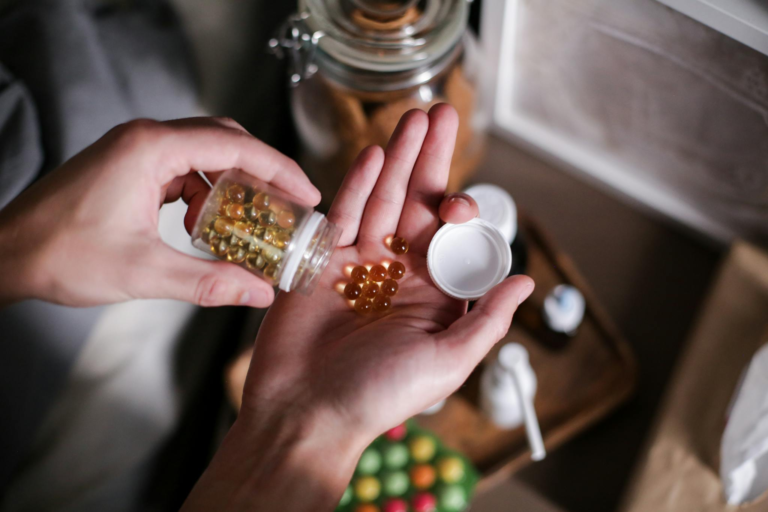

Breastfeeding Causes GI Issues? A Nurse Practitioner’s Personal Journey with 3 Boys
Does breastfeeding cause GI issues in babies? Family Nurse Practitioner shares her personal experience breastfeeding 3 boys with digestive problems and evidence-based solutions that actually work.
Medical Disclaimer: This content is for educational purposes only and should not replace professional medical advice, diagnosis, or treatment. If you experience severe symptoms after eating (difficulty breathing, severe abdominal pain, bloody stools, high fever, signs of dehydration), seek immediate medical attention. As a board-certified Family Nurse Practitioner, I provide evidence-based information to help you make informed health decisions, but this does not constitute a patient-provider relationship.
**Disclosure:** This post contains affiliate links. If you purchase through these links, I may earn a small commission at no extra cost to you. I only recommend products I personally use or believe will benefit my readers. Thank you for supporting Vital Cell Healing!
My Breastfeeding Reality: Three Sons, Countless Digestive Struggles
When I cradled my first son in my arms, I never imagined that breastfeeding—the most natural way to nourish a baby—would become such a complicated journey.
All three of my boys experienced significant gastrointestinal issues while breastfeeding. The sleepless nights filled with inconsolable crying, the constant spit-up, the painful gas, and the obvious discomfort broke my heart. I questioned everything: Was my breast milk hurting my babies? Was I doing something wrong? Should I stop breastfeeding?
What I discovered through my personal experience and professional training changed everything—not just for my family, but for how I approach digestive health today.
Does Breastfeeding Actually Cause GI Issues?
Here’s the truth that took me years to fully understand: Breastfeeding doesn’t cause GI issues—but what’s in your breast milk absolutely can.
Breast milk is incredibly responsive to a mother’s diet, gut health, and overall inflammatory state. When I was breastfeeding and struggling with my own undiagnosed digestive problems (which would later lead to emergency gallbladder removal and a complete gut healing journey), I was unknowingly passing inflammatory compounds, food proteins, and gut dysbiosis markers to my babies through my milk.
The research backs this up. Studies show that maternal diet, gut microbiome composition, and inflammatory markers directly influence breast milk composition and can contribute to infant digestive distress, colic, and food sensitivities.
The Signs My Boys Were Struggling (And What They Actually Meant)
Each of my three sons showed different symptoms, but the underlying issue was the same—digestive inflammation triggered by what was coming through my breast milk:
Baby #1: The Screamer
- Inconsolable crying for hours, especially after evening feedings
- Arching his back during and after nursing
- Explosive, green, frothy stools
- Obvious gas pain and difficulty passing gas
Baby #2: The Spitter
- Projectile spit-up after nearly every feeding
- Constant hiccups and discomfort
- Refusing to nurse or pulling away mid-feed
- Poor weight gain despite frequent nursing
- Restless sleep and frequent night waking
Baby #3: The Rash
- Inconsolable crying for hours, especially after evening feedings
- Arching his back during and after nursing
- Explosive, green, frothy stools
- Obvious gas pain and difficulty passing gas
As a healthcare provider, I knew these weren’t just “normal baby things” to wait out—they were clear signs of inflammatory gut responses.
What I Wish I’d Known: The Maternal Gut-Breast Milk Connection
The breakthrough came when I started connecting my own gut health struggles to my babies’ symptoms. Here’s what actually happens:
When Mom’s Gut Is Inflamed:
- Partially digested food proteins leak into the bloodstream (leaky gut)
- These proteins pass into breast milk
- Baby’s immature digestive system reacts to these foreign proteins
- Inflammation cascades through baby’s gut, causing the symptoms we see
Common Culprits in Maternal Diet:
- Dairy proteins (casein and whey)
- Gluten and other grains
- Soy products
- Eggs
- Nuts (especially peanuts)
- Shellfish
- Nightshade vegetables
- High-histamine foods
- Fatty/fried/processed foods
The solution wasn’t to stop breastfeeding—it was to heal my gut and strategically adjust what I was eating.
The Protocol That Changed Everything
After my emergency gallbladder surgery and subsequent digestive collapse, I developed a comprehensive approach to gut healing that I wish I’d implemented while breastfeeding. Here’s the framework I now recommend to breastfeeding mothers dealing with infant GI issues:
Step 1: Eliminate Common Inflammatory Triggers
I started with a strict elimination diet, removing the most common problematic foods for 3-4 weeks:
- All dairy products
- Gluten-containing grains
- Soy in all forms
- Eggs
- Corn
- Refined sugars
The change in my babies’ symptoms was dramatic, usually within 5-7 days.
Step 2: Support Maternal Digestive Function
Since I was dealing with my own digestive struggles, supporting my gut’s ability to properly break down food became crucial. I incorporated a high-quality digestive enzyme with every meal.
Designs For Health-Digestzymes (Can be purchased here)
Digestive enzymes help:
- Break down proteins completely before they enter the bloodstream
- Reduce inflammatory food particles in breast milk
- Improve maternal nutrient absorption
- Decrease digestive discomfort for mom
Step 3: Rebuild the Maternal Microbiome
Your gut bacteria directly influence your baby’s developing microbiome through breast milk. I focused on repopulating my gut with beneficial bacteria using a therapeutic-strength probiotic.
**Top 3 probiotic supplements:**
1. Designs For Health- FloraMyces (saccharomyces boulardii probiotic) (my personal choice)
2. Designs For Health- Probiotic Synergy (Bifidobacterium longum) (popular option)
3. Vitamatic-Bacillus Coagulans (budget-friendly)
I specifically looked for strains proven to:
- Reduce infant colic and crying time
- Support healthy immune development
- Improve maternal gut barrier function
- Produce anti-inflammatory compounds
Step 4: Heal and Seal the Gut Lining
Repairing my leaky gut was essential to prevent food proteins from entering my bloodstream and breast milk. I used targeted gut-healing nutrients daily.
Key gut-healing supplements I used:
- L-glutamine: The primary fuel for intestinal cells
- Collagen peptides: Supports gut barrier integrity
- Zinc carnosine: Promotes mucosal healing
- Aloe vera extract: Soothes inflammation
Here are a few options for gut-healing supplements that I have used and are tried and true:
Designs for Health- Whole Body Collagen
Designs For Health- GastroMend HP (zinc carnosine)
Lily of the desert- Aloe Vera Juice (Add this into juices or smoothies)
Step 5: Reduce Overall Inflammation
Managing systemic inflammation helped reduce the inflammatory markers passing through my breast milk.
Anti-inflammatory support included:
- Omega-3 fatty acids (DHA and EPA from fish oil or algae)
- Curcumin (turmeric extract)
- Quercetin (natural antihistamine)
- Plenty of anti-inflammatory foods
Here are a few options that I have tried and work well:
Designs for Health-OmegAvail TG1000
Step 6: Support Baby’s Developing Gut Directly
While I worked on my own gut health, I also supported my babies’ digestive systems with infant-safe probiotics.
Mary Ruth’s-Organic Infant Liquid Probiotic Drops – (These baby-specific probiotic drops were a lifesaver during those difficult months)
Infant probiotics containing Lactobacillus reuteri and Bifidobacterium infantis have strong evidence for:
- Reducing colic symptoms
- Decreasing crying time
- Supporting healthy digestion
- Building immune resilience
The Results: From Desperate to Thriving
Within two weeks of implementing this comprehensive approach, I saw remarkable changes:
- Crying decreased by at least 60%
- Spit-up episodes reduced dramatically
- Stool consistency normalized
- My babies nursed more peacefully
- Everyone slept better
- The eczema began clearing
- My own digestive symptoms improved significantly
By week four, it felt like I had different babies. They were content, gaining weight appropriately, and actually seemed comfortable in their bodies.
Breastfeeding is still the gold standard for infant nutrition. The immunological benefits, perfect nutritional composition, and bonding experience are irreplaceable. The goal isn’t to stop breastfeeding—it’s to optimize the quality of your breast milk by healing your own gut.
Fun fact: Did you know that your breast milk changes when your baby is sick? Our bodies are so unique that if your baby has an infection, your breasts will supply more antibodies designed to fight off your baby’s illness. How cool is that!!
Your baby’s symptoms are valuable information. Don’t dismiss them as “just colic” or something to endure. They’re telling you something needs to be addressed.
Maternal gut health is foundational. You can’t give your baby what you don’t have. Healing your own digestive system benefits both of you profoundly.
The Supplements That Made the Biggest Difference
Based on my personal experience and clinical practice, these are the core supplements I recommend for breastfeeding mothers dealing with infant GI issues:
For Mom:
- Comprehensive digestive enzymes – I take them with every meal Designs For Health-Digestzymes
- Top 3 probiotic supplements:
1. Designs For Health- FloraMyces (saccharomyces boulardii probiotic) (my personal choice)
2. Designs For Health- Probiotic Synergy (Bifidobacterium longum) (popular option)
3. Vitamatic-Bacillus Coagulans (budget-friendly) - L-glutamine – 5-10g daily for gut repair Nutricost-L-Glutamine
- Omega-3 fish oil – 2-3g EPA/DHA daily Designs for Health-OmegAvail TG1000
- Collagen peptides – 10-20g daily Designs for Health- Whole Body Collagen
For Baby:
- Infant probiotic drops – Follow product dosing Mary Ruth’s-Organic Infant Liquid Probiotic Drops
Beyond Supplements: The Lifestyle Factors That Matter
While supplements were crucial tools in my healing journey, they worked best alongside these fundamental changes:
Stress Management Chronic stress destroys gut health and increases inflammatory markers in breast milk. I had to prioritize:
- Adequate sleep (easier said than done with a newborn!)
- Gentle movement like walking
- Deep breathing during feedings
- Asking for and accepting help
Hydration Breastfeeding requires an extra 32 ounces of water daily. Dehydration concentrates everything in your breast milk, including inflammatory compounds.
Nutrient Density I focused on easily digestible, anti-inflammatory whole foods:
- Wild-caught fish
- Organic poultry
- Bone broth
- Cooked vegetables
- Low-sugar fruits
- Healthy fats (avocado, olive oil, coconut)
When to Seek Professional Help
While my protocol helped tremendously, some situations require professional guidance. Consult a functional medicine practitioner or pediatric gastroenterologist if:
- Baby has bloody stools persisting beyond a few days
- Weight gain is significantly inadequate
- Baby shows signs of dehydration
- Symptoms worsen despite dietary changes
- You’re feeling overwhelmed or depressed
- Baby has severe eczema or persistent rashes
My Message to Struggling Breastfeeding Moms
If you’re reading this while bouncing a crying baby or cleaning up another spit-up incident, I see you. I’ve been exactly where you are—exhausted, confused, and wondering if you’re somehow failing your baby.
You’re not failing. Your breast milk isn’t the problem. Your body is doing exactly what it’s designed to do—responding to inflammation and passing it along because that’s how the system works.
The good news? You have so much power to change this situation. By healing your own gut, you’re not just helping your baby’s immediate symptoms—you’re setting them up for lifelong digestive health and immune resilience.
My three boys are thriving now, and my own gut health journey (including recovering from emergency gallbladder surgery) taught me everything I needed to know to help other families avoid the struggles we faced.
Ready to Start Your Gut Healing Journey?
Whether you’re currently breastfeeding a baby with GI issues or planning for future children, investing in your gut health now will pay dividends for years to come.
Start with these action steps:
- Begin a food and symptom journal for both you and baby
- Implement a strategic elimination diet
- Add a high-quality digestive enzyme and probiotic
- Support gut healing with L-glutamine and collagen
- Consider working with a functional medicine practitioner who specializes in maternal and infant gut health
The Bottom Line
Breastfeeding doesn’t cause GI issues—but the inflammatory state of your gut absolutely can affect your baby’s digestive comfort. By addressing your own gut health through strategic elimination, targeted supplementation, and gut healing protocols, you can continue providing the incredible benefits of breast milk while eliminating your baby’s digestive distress.
My journey with three boys taught me that the solution isn’t choosing between breastfeeding and your baby’s comfort. It’s about getting to the root cause and healing it properly.
Your baby’s symptoms are trying to tell you something. Listen, investigate, and heal—for both of you.
Dailinn, FNP-C, is a Board-Certified Family Nurse Practitioner and founder of Vital Cell Healing, with special knowledge of functional medicine approaches to gut health and digestive wellness. After experiencing her own dramatic gut healing journey following emergency gallbladder surgery, she’s passionate about helping others restore their digestive health naturally.
Did you experience GI issues while breastfeeding? What strategies helped your baby most? Share your story in the comments below!
More Gut-Health Resources
Explore more evidence-based guides on gut health, inflammation, and functional medicine:
• The Hidden Truth About Common Digestive Issues – Understanding warning signs your body can’t ignore
• Postbiotics: The Missing Link in Your Gut Healing Journey (And Why Your Probiotics Aren’t Working) – Discover the breakthrough in gut healing
• Why Your Body Won’t Bounce Back: The Hidden Gut Health Connection – How gut health affects recovery and resilience
• SIBO vs. SIFO: Understanding Small Intestinal Overgrowth and How to Heal It Naturally – Comprehensive guide to bacterial and fungal overgrowth
• The Autoimmune–Gut Connection: How to Heal the Root Cause and Break the Cycle – Understanding the gut-autoimmunity link
• Healing Leaky Gut: Myths vs. Science and What Actually Works – Evidence-based approach to intestinal permeability
• NSAIDs and Leaky Gut: Hidden Gut Damage from Common Pain Relievers – How ibuprofen and other NSAIDs harm your gut
• Long-Term PPI Use and Gut Damage: What Acid Blockers Really Do – The hidden dangers of prolonged acid suppression
• Antibiotics and Chronic Inflammation: How Microbiome Damage Triggers Disease – Understanding antibiotic aftermath on gut health
References
Breastfeeding & Infant Nutrition
World Health Organization. (2024). Breastfeeding. https://www.who.int/health-topics/breastfeeding
Meek JY, Noble L; Section on Breastfeeding. Policy Statement: Breastfeeding and the Use of Human Milk. Pediatrics. 2022;150(1):e2022057988. https://doi.org/10.1542/peds.2022-057988
Maternal Diet & Breast Milk Composition
Favara G, Maugeri A, Barchitta M, et al. Maternal Lifestyle Factors Affecting Breast Milk Composition and Infant Health: A Systematic Review. Nutrients. 2024;17(1):62. https://pubmed.ncbi.nlm.nih.gov/39796495/
Kearney M, Perger N, McAdam J, Taylor C. Effect of Maternal Diet on Maternal Milk and Breastfed Infant Gut Microbiomes: A Scoping Review. Nutrients. 2023;15(6). https://pubmed.ncbi.nlm.nih.gov/36986148/
Gridneva Z, et al. Maternal Diet and Human Milk Composition: An Updated Systematic Review. Frontiers in Nutrition. 2024. https://pmc.ncbi.nlm.nih.gov/articles/PMC10862141/
Babakobi MD, Reshef L, Gihaz S, et al. Effect of Maternal Diet and Milk Lipid Composition on the Infant Gut and Maternal Milk Microbiomes. Nutrients. 2020;12(9):2539. https://pubmed.ncbi.nlm.nih.gov/32825705/
Maternal Gut Microbiome & Breast Milk
Selma-Royo M, et al. Maternal Diet Shapes the Breast Milk Microbiota Composition and Diversity: Impact of Mode of Delivery and Antibiotic Exposure. Journal of Nutrition. 2022. https://www.sciencedirect.com/science/article/pii/S0022316622000402
Le Doare K, et al. The Relationship Between Breast Milk Components and the Infant Gut Microbiota. Frontiers in Nutrition. 2021;8:629740. https://www.frontiersin.org/journals/nutrition/articles/10.3389/fnut.2021.629740/full
Catassi G, Catassi C, et al. The Role of Diet and Nutritional Interventions for the Infant Gut Microbiome. Nutrients. 2024;16(3):400. https://www.mdpi.com/2072-6643/16/3/400
Infant Probiotics & Colic
Sung V, D’Amico F, Cabana MD, et al. Lactobacillus reuteri to Treat Infant Colic: A Meta-analysis. Pediatrics. 2018;141(1). https://pubmed.ncbi.nlm.nih.gov/29279326/
Savino F, Cordisco L, Tarasco V, et al. Lactobacillus reuteri DSM 17938 in Infantile Colic: A Randomized, Double-Blind, Placebo-Controlled Trial. Pediatrics. 2010;126(3):e526-e533. https://pubmed.ncbi.nlm.nih.gov/20713478/
Chau K, Lau E, Greenberg S, et al. Probiotics for Infantile Colic: A Randomized, Double-Blind, Placebo-Controlled Trial Investigating Lactobacillus reuteri DSM 17938. Journal of Pediatrics. 2015;166(1):74-78. https://pubmed.ncbi.nlm.nih.gov/25444531/
Zoppou APRBZ, et al. Evidence of Lactobacillus reuteri to Reduce Colic in Breastfed Babies: Systematic Review and Meta-Analysis. Phytomedicine Plus. 2021. https://www.sciencedirect.com/science/article/pii/S0965229921001229
L-Glutamine & Gut Barrier Repair
Achamrah N, Déchelotte P, Coëffier M. Glutamine and the Regulation of Intestinal Permeability: From Bench to Bedside. Current Opinion in Clinical Nutrition & Metabolic Care. 2017;20(1):86-91. https://pubmed.ncbi.nlm.nih.gov/27749689/
Wang B, Wu G, Zhou Z, et al. Glutamine and Intestinal Barrier Function. Amino Acids. 2015;47(10):2143-54. https://pubmed.ncbi.nlm.nih.gov/24965526/
Khademi Z, et al. A Systematic Review and Meta-Analysis of Clinical Trials on the Effects of Glutamine Supplementation on Gut Permeability in Adults. Amino Acids. 2024. https://pubmed.ncbi.nlm.nih.gov/39397201/
Rao R, Samak G. Role of Glutamine in Protection of Intestinal Epithelial Tight Junctions. Journal of Epithelial Biology & Pharmacology. 2012;5(1):47-54. https://pmc.ncbi.nlm.nih.gov/articles/PMC4369670/
Omega-3 Fatty Acids & Inflammation
National Institutes of Health, LactMed. Marine Oils. https://www.ncbi.nlm.nih.gov/books/NBK501898/
Meldrum S, et al. Omega-3 Fatty Acid Dietary Supplements Consumed During Pregnancy and Lactation and Child Neurodevelopment: A Systematic Review. Journal of Nutrition. 2021. https://www.sciencedirect.com/science/article/pii/S0022316622004114
Saraf R, et al. The Effects of Omega-3 Polyunsaturated Fatty Acids Supplementation in Pregnancy, Lactation, and Infancy: An Umbrella Review. Pharmacological Research. 2022. https://www.sciencedirect.com/science/article/abs/pii/S1043661822000457
Rodríguez-Santana Y, et al. Cytokine Distribution in Mothers and Breastfed Children After Omega-3 LCPUFAs Supplementation During Lactation: A Randomized Controlled Trial. PLOS ONE. 2017. https://pubmed.ncbi.nlm.nih.gov/29031393/